
Guide
Exterior Painting and Our Valley Climate
Why paint fails early in North Central Washington, and what makes a repaint last out here.
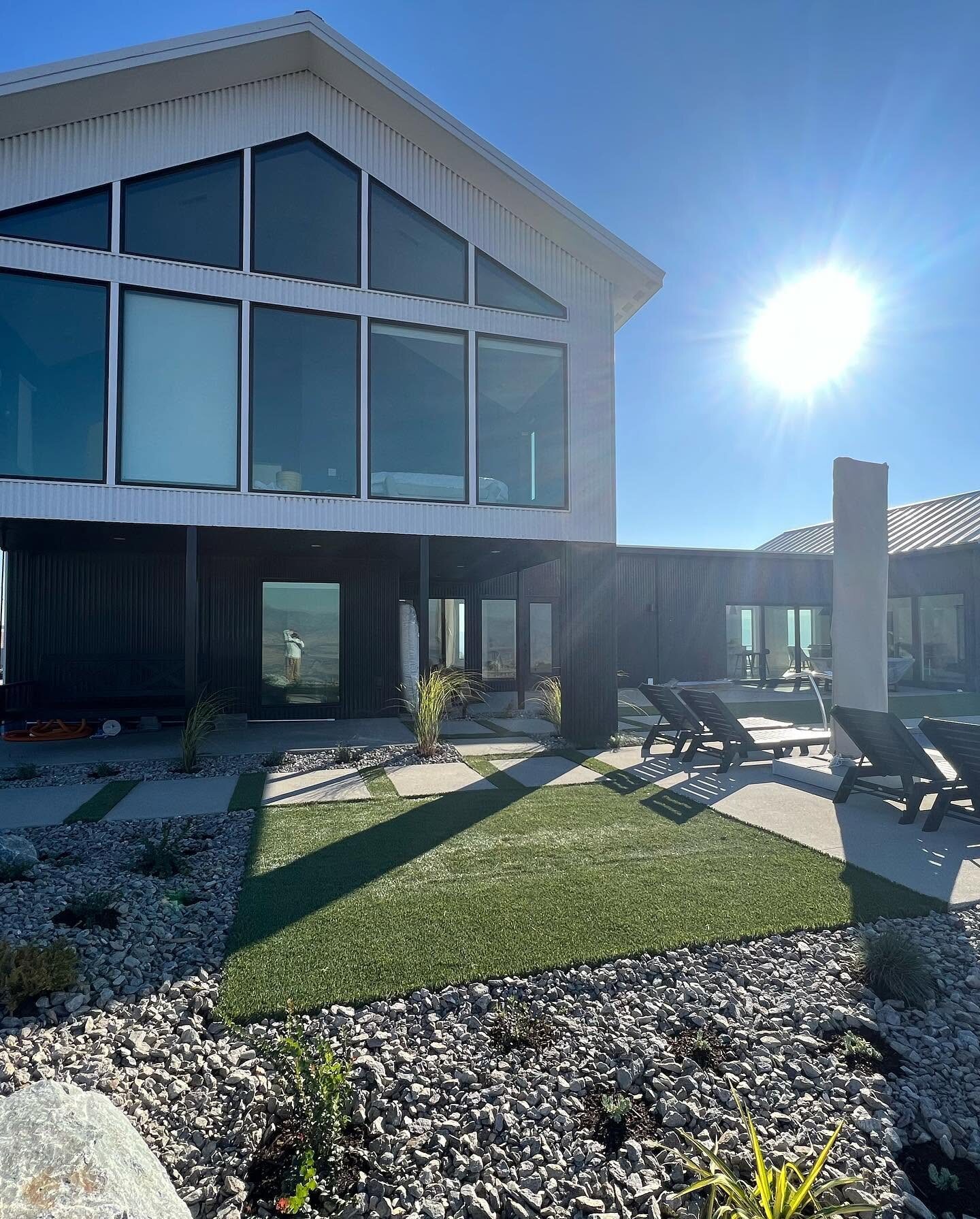
North Central Washington is hard on a house. We get long, bright summers, cold winters, dry air, and a daily swing between the two that most paint jobs in the country never have to survive.
If you have watched south-facing siding chalk out while the north side still looks fine, you have already seen the reason a repaint out here is a different job than it is on the coast.
What the sun does
The valley gets a lot of clear days, and ultraviolet light is the single biggest enemy of exterior coatings. UV breaks down the resin that binds the paint film together, which is what leaves that powdery chalk on your hand when you rub the siding.
As the binder fails, color goes flat and the film loses its ability to flex. Reds and deep blues fade the fastest because their pigments are the most light-sensitive. South and west walls almost always need attention before the rest of the house.
Premium acrylic coatings hold up far better here because they carry more binder and better pigment. That difference does not show up in year one. It shows up in year seven, when one house still looks painted and the neighbor's does not.
Heat, cold, and the freeze-thaw cycle
Siding in full summer sun can sit well above air temperature, then drop hard overnight. Wood, fiber cement, and stucco all expand and contract with that swing, and the paint film has to move with them.
A brittle film cracks instead of flexing. Once there is a crack, water gets behind the paint. In winter that water freezes, expands, and lifts the coating right off the substrate. That is the peeling you see on the bottom edges of lap siding and around window trim.
This is also why caulking matters more than people think. Joints, trim seams, and nail holes are where water finds its way in. We replace failed caulk before we paint, using a flexible exterior sealant that keeps moving through the seasons.
Prep is what decides how long it lasts
Paint does not stick to dirt, chalk, or loose paint. It sticks to sound, clean, dull surfaces. Everything we do before the finish coat exists to create that.
We wash the house to remove dust, pollen, cobwebs, and chalked residue. We scrape and sand failing areas back to a firm edge and feather them so the repair does not telegraph through the new coat. Bare wood gets primed, because unprimed wood pulls the binder out of the topcoat.
Raw or weathered wood, bare metal, and patched spots each get the right primer rather than one generic coat. Then we caulk, and only then do we paint. A crew that skips two days of prep to finish faster is handing you a repaint years earlier than you needed one.
The right season to paint here
Late spring through early fall is the window in North Central Washington. Coatings need steady temperatures and moderate humidity to form a proper film, and most exterior products want surface temperatures comfortably above the overnight low.
Midsummer brings the opposite problem. A wall in direct afternoon sun can be too hot, and paint that dries before it levels leaves lap marks and a weaker film. We follow the shade around the house, starting on the east side in the morning and working around as the sun moves.
Late fall is risky because of cold nights and dew. Moisture settling on a fresh coat overnight can leave surfactant streaks or a soft film. We would rather book you for spring than hand you a finish we are not proud of.
Keeping a finish alive between repaints
Wash the house once a year. A gentle rinse takes off the dust and grit that hold moisture against the film, and it is the easiest thing on this list.
Keep sprinklers off the siding. Repeated water on one spot, day after day, will break down a finish faster than the weather ever will. Trim shrubs back so air moves and wood can dry.
Walk the house each spring and look at the sun-facing walls, the bottom of the siding, and the trim around the windows. Small touch-ups on caulking and a few bare spots can add years before a full repaint is worth doing.
When it is time, we are happy to come look and tell you honestly what your house needs. Sometimes that is the whole exterior, and sometimes it is just the two walls that get hammered.
Related service
Exterior Painting
See how we prep and paint exteriors built for this climate.
Questions we get.
- How often should a house out here be repainted?
- It depends on exposure and the last prep job. Sun-facing walls tend to need attention first, and a well prepped house with premium coatings goes a long time between repaints. We will tell you what we actually see when we walk your house.
- Can you paint stucco and fiber cement?
- Yes. Both need their own prep and the right primer, and both do well here when the joints and penetrations are sealed properly before the finish coats.
- What happens if the weather turns mid-job?
- We stop, protect what is open, and pick back up when conditions are right. Nothing gets sprayed into a rain window or a cold night just to stay on schedule.
Free written estimates · (509) 421-0717
Let's pick your colors.
Call, text, or send us a note. We respond within one business day.